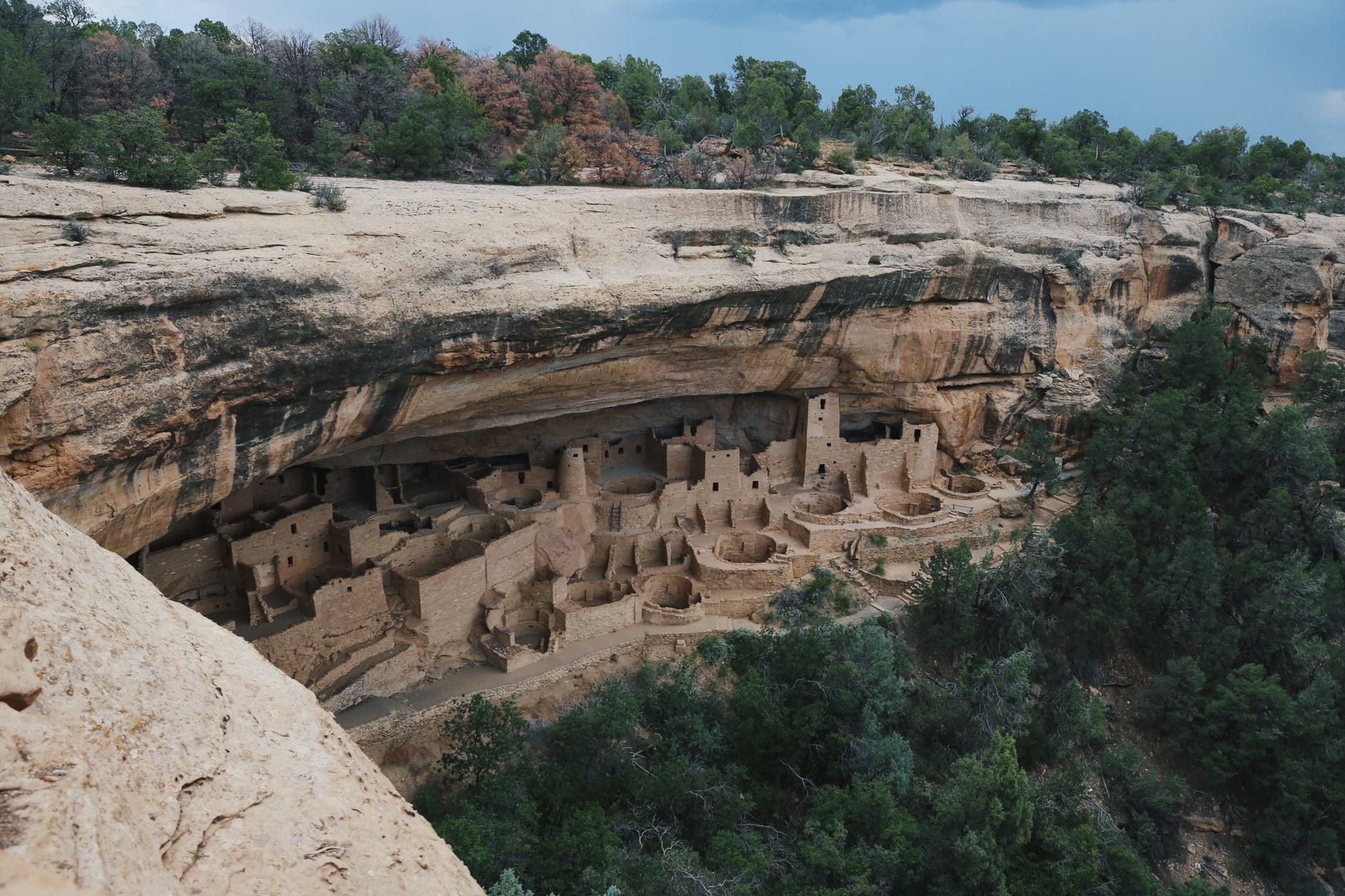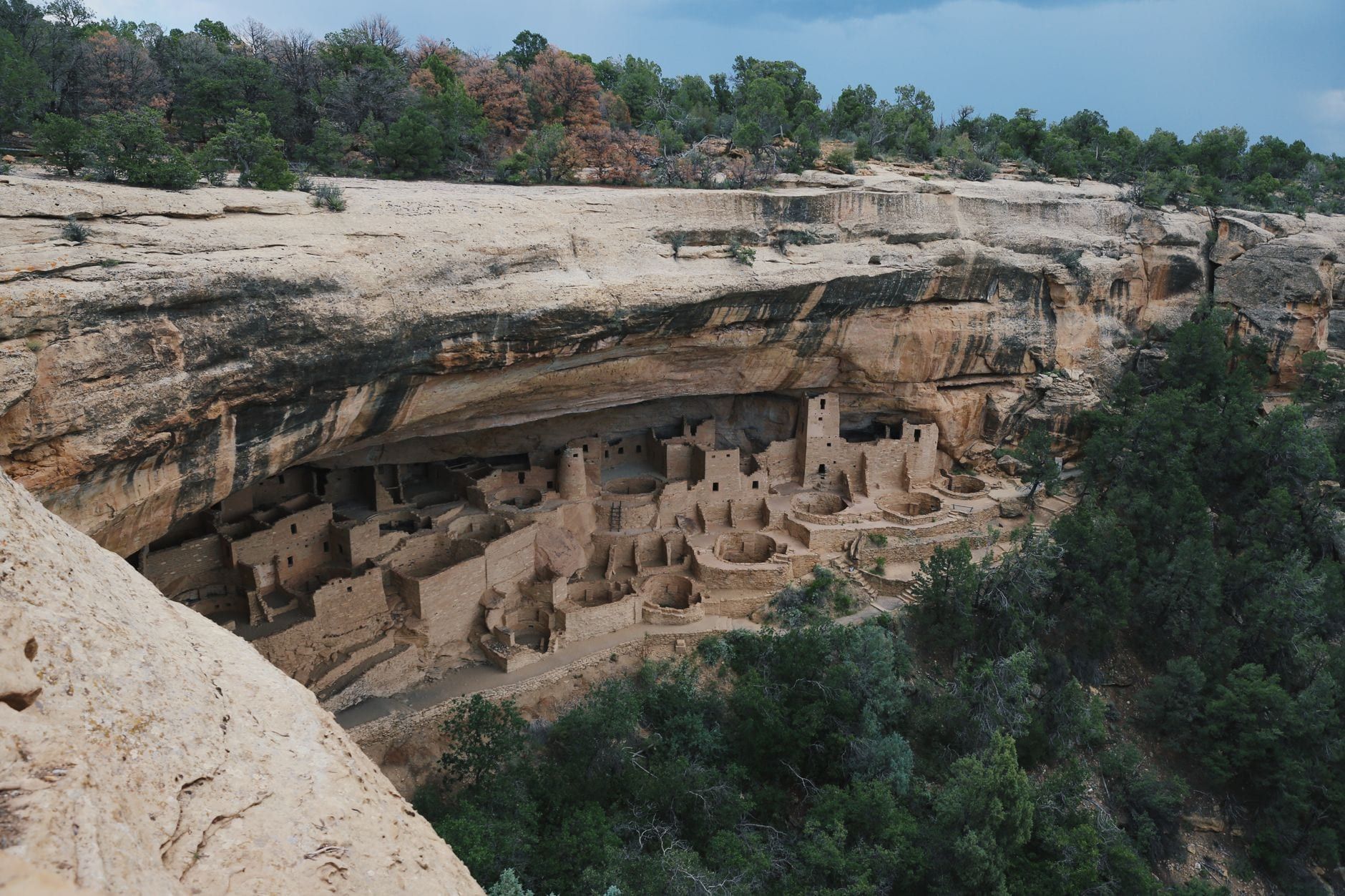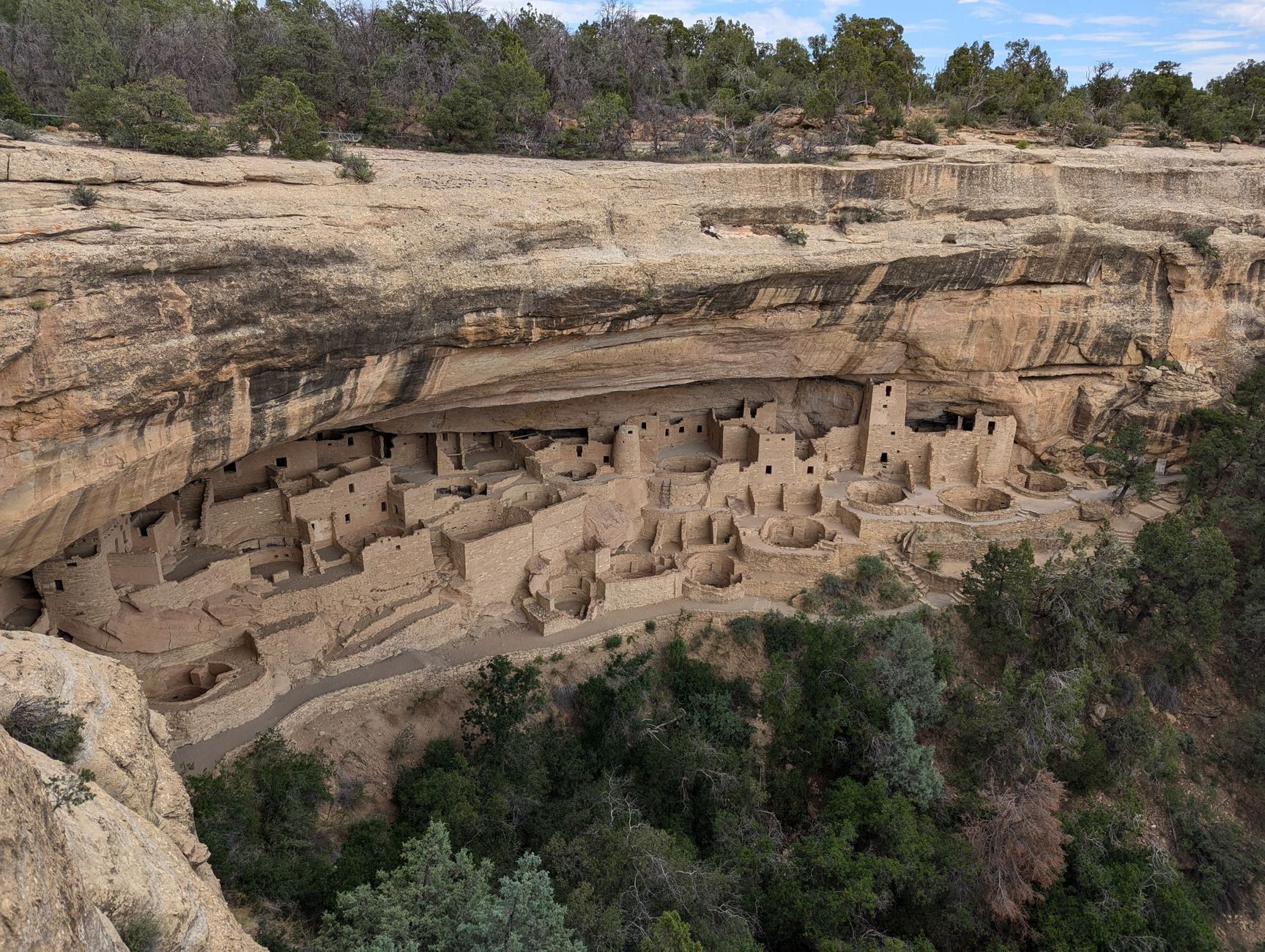
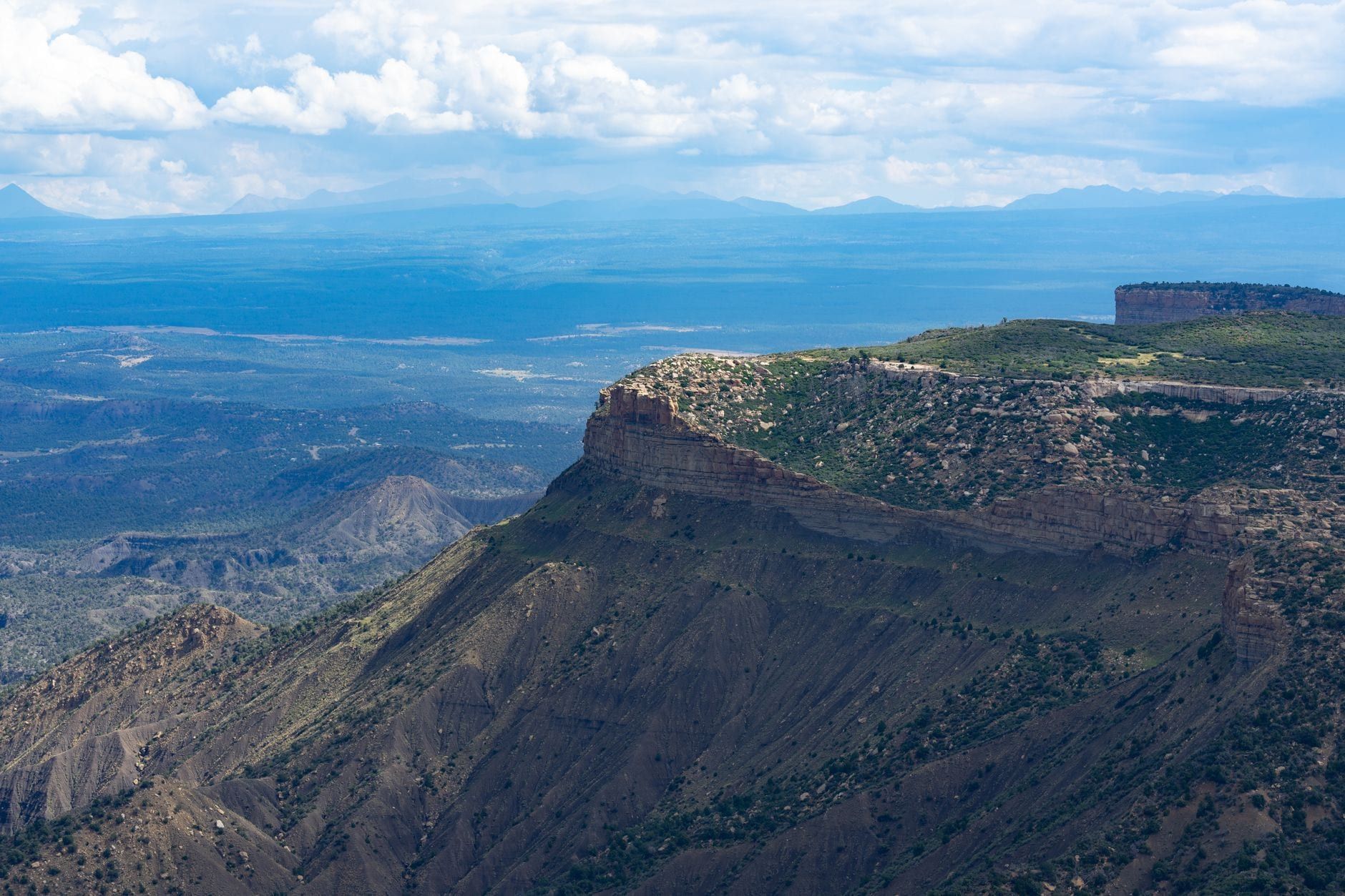
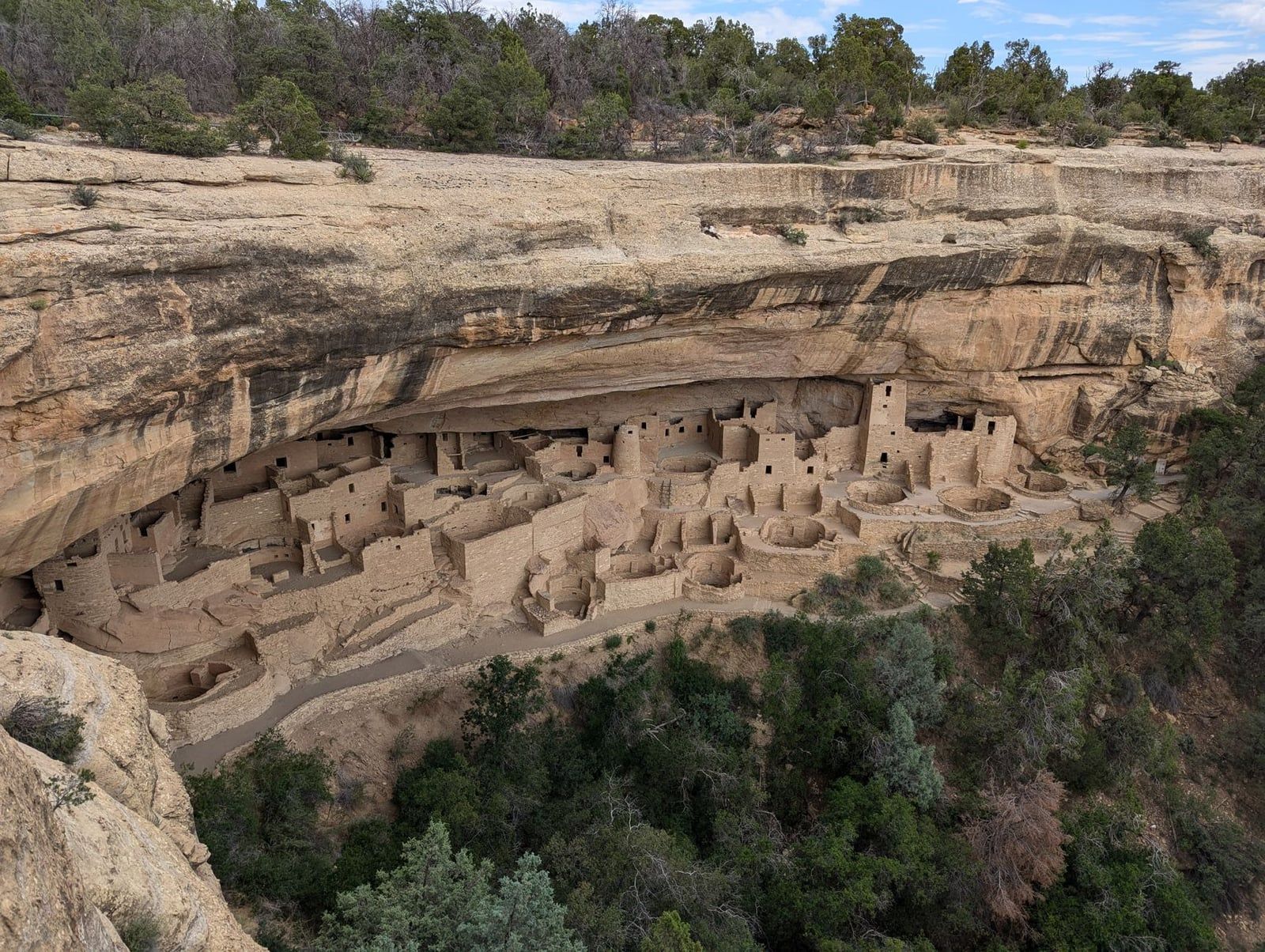
Cliff Palace is the largest cliff dwelling in North America: 150 rooms, 23 kivas, and four-story towers stacked under a sandstone alcove in Mesa Verde National Park, built by Ancestral Pueblo people between about 1190 and 1280 CE. Roughly 100 people lived here at its peak, and today you can only step inside on a ranger-led tour booked through Recreation.gov.
That booking detail trips up a lot of visitors. Older guidebooks still tell you to buy a $4 ticket at the visitor center — that system is gone, and showing up without a reservation means seeing the dwelling only from the rim. This guide covers the history you'll want in your head at the overlook, plus the current prices, ladder-by-ladder route, booking tactics, and what to do if the tour is sold out. If you're planning a wider trip, our pieces on things to do in Mesa Verde and the park's cliff dwellings tours fill in the rest of the picture.
What Is Cliff Palace? History and Significance
Ancestral Pueblo people moved off the mesa tops and into the alcoves late in the 13th century's first decades, and Cliff Palace was the biggest thing they built there. Its 150 rooms and 23 kivas dwarf the norm: three-quarters of the park's 600-plus cliff dwellings contain only one to five rooms each. That scale is why archaeologists read Cliff Palace as a social and administrative hub with heavy ceremonial use rather than a ruler's residence. "Palace" is a 19th-century label, not a description.
The people who built it had farmed these mesas for centuries, starting with pit-house villages around 550 CE before constructing the cliff dwellings mainly between 1190 and 1300. Why they moved into the alcoves is still debated — protection, water, temperature — but the seep springs at the back of the alcoves made cliff life possible. Around 1300 CE they left the entire region, and prolonged drought is the leading explanation. Their descendants live today in the Pueblo communities of the Southwest, and 26 Tribes and Pueblos hold an ongoing cultural connection to the park.
The construction is worth looking at closely on the tour, because you'll be close enough to touch distance (touching is prohibited and fined). Builders shaped soft sandstone blocks by grinding them against harder stones, then laid them in mortar made of local soil, water, and ash, with wooden beams spanning the rooms and small chinking stones packing the gaps. Many walls were finished in earthen plasters tinted pink, brown, red, yellow, or white. The paint is mostly gone now, but patches survive.
One detail explains the doorways: the average male resident stood about 5'4" to 5'5" (163 cm), the average female about 5' to 5'1" (152 cm) — comparable to Europeans of the same era. So the openings that look child-sized today weren't cramped for the people who used them. You'll duck anyway.
Ranchers Richard Wetherill and Charles Mason rode into the canyon in December 1888 and are credited with the "discovery," though Diné (Navajo), Nuche (Ute), Apache, and Pueblo peoples had known of the structures all along. The name came from Swedish scholar Gustaf Nordenskiöld, whose 1891 book The Cliff Dwellers of Mesa Verde put the site on the map — and triggered decades of commercial digging that ran from pick and shovel up to dynamite. Federal protection arrived with the park's creation in 1906, the first US national park established to preserve archaeology. UNESCO listed Mesa Verde as a World Heritage Site in 1978, and National Park Service crews still monitor and stabilize the walls today.
For more on the park's broader story — 5,000-plus archaeological sites across 52,000 acres — see our background on Mesa Verde.
Cliff Palace Tour: What to Expect
There is exactly one way inside Cliff Palace: a ranger-led tour, reserved in advance. The National Park Service describes it as a 45-minute, 1/4-mile (0.4 km) walk with uneven stone steps, four ladders, and 100 feet (30 m) of elevation change; the current Recreation.gov listing schedules shorter 30-minute departures, so budget 30–45 minutes on site either way. Per the current listing, tickets cost $8.00 per person ages 3 and up.
What you actually do is simple. The group gathers at the canyon-rim overlook, descends carved stone steps to the alcove, and the ranger talks — how people lived here, the seep spring behind the walls, what the kivas were for — while you stand inside the dwelling looking at multi-story towers, plaster traces, and doorways built for smaller bodies. Then you climb out via the ladders. There's no tunnel, no crawling, no scrambling.
The 2026 season runs May 4 through October 21, daily, with departures every half hour: 8:00 am to 6:00 pm from May 4 to August 16, then 9:00 am to 3:00 pm from August 17 to October 21, skipping noon (with 3:30 and 4:00 pm slots added on Wednesdays). Times can shift for safety and staffing, so confirm your date on Recreation.gov when booking. Rangers lead the tour with what the park calls a critical history — what's documented versus what's inference, rather than a tidy origin myth.
Want a preview first? The park posts a Cliff Palace tour video, and a CyArk virtual tour walks the alcove in detail — genuinely useful if you're deciding whether the ladders are for you.
How to Reserve Cliff Palace Tour Tickets
All tickets sell through Recreation.gov (or 1-877-444-6777), and inventory opens 14 days before each tour date at 8:00 am MDT. Popular summer slots go within minutes. Create your Recreation.gov account before that morning — fumbling through registration at 8:01 is how you lose the slot.
The process: log on at 8:00 am MDT two weeks out, search Mesa Verde tours, select Cliff Palace, and pick your date and time. It's $8.00 per person ages 3 and up, charged separately from the park entrance fee — $30 per vehicle May 1 through October 22, $20 the rest of the year, card or contactless only (the park is cashless at the gate).
Sold out? Keep checking. Cancelled tickets are released back onto Recreation.gov up to two hours before a tour, and last-minute seats appear constantly in peak season. Set an alarm for a couple of hours before your target departure and refresh.
Pairing two tours in one day works well if you space them. Cliff Palace and Balcony House are both on Chapin Mesa, so allow about two hours between bookings; Long House is on Wetherill Mesa, a different road, and needs about three hours' gap or its own day. Anyone under 18 must be booked with an adult. Note that blogs quoting $4–$7 tickets are citing the old visitor-center system — it no longer exists.
The Tour Route, Step by Step (and Getting There)
Work backward from your tour time. The park has a single entrance, off Highway 160 between Cortez and Mancos, and it's a 21-mile, roughly 45-minute drive on the steep, winding Ruins Road from the gate to the Chapin Mesa sites. Enter the park 75–90 minutes before your tour, arrive at the Cliff Palace trailhead 15 minutes early, and screenshot your ticket while you still have bars. Full driving directions to Mesa Verde cover the approach from Durango, Cortez, and the airports.
People miss tours by going to the visitor center first. The tour starts at the Cliff Palace site, not at the visitor center, and rangers won't hold a departure for latecomers.
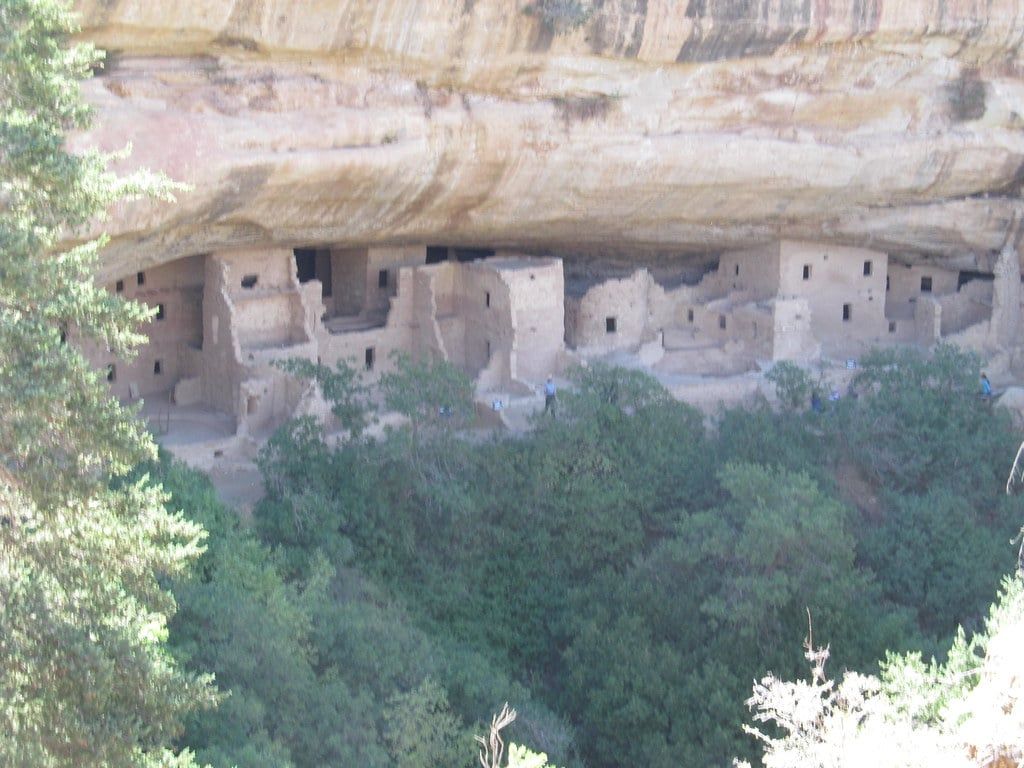
Before the tour, stop at the Cliff Palace Overlook — the first stop on the 6-mile (10 km) Cliff Palace Loop Road, open 8 am to sunset. This is the classic rim view: the whole alcove laid out across the canyon, towers and kivas in one frame. Take your photos here, because inside the alcove the view is of walls, not of the dwelling.
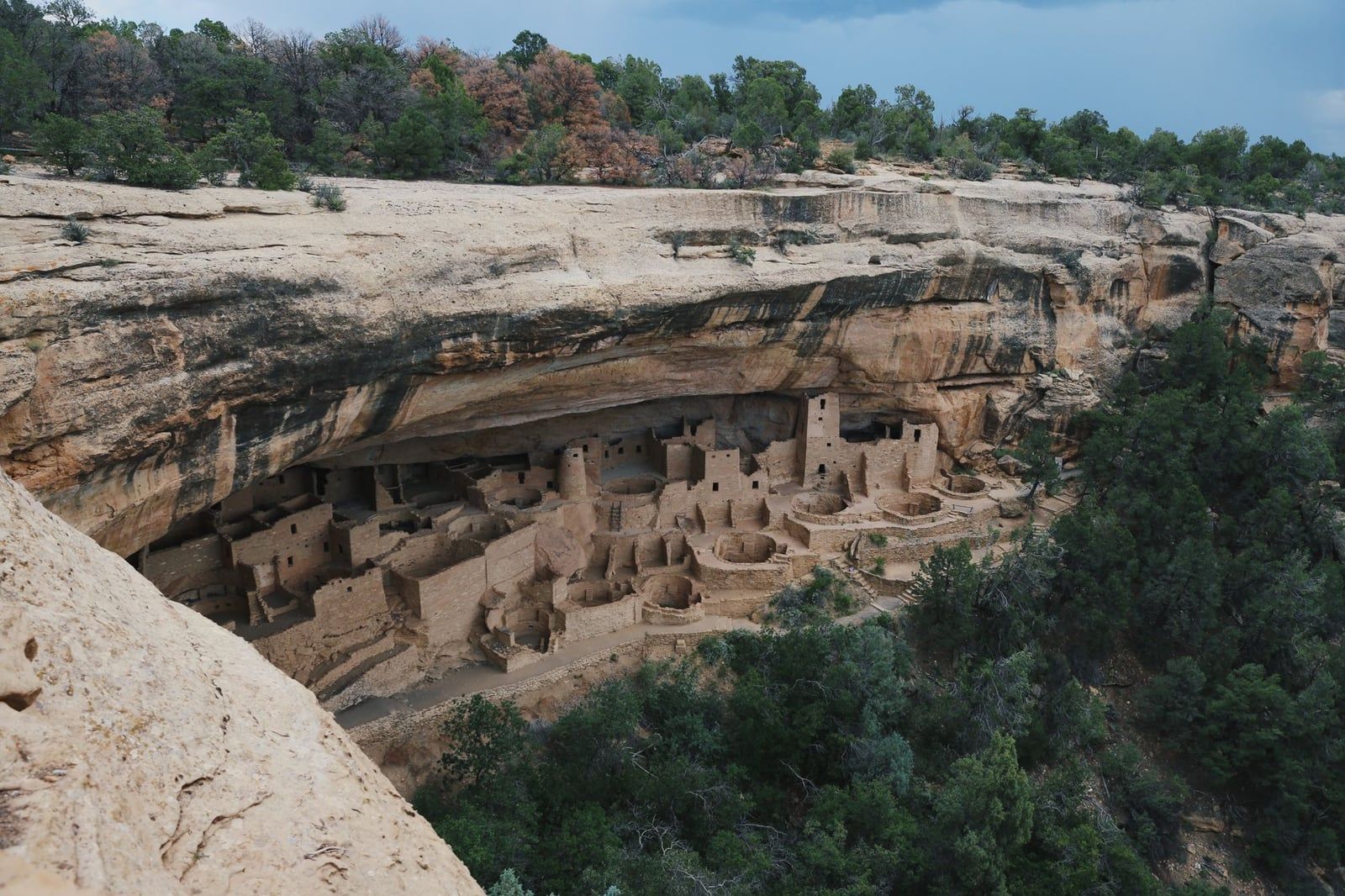
The tour itself starts at the overlook. You descend stone steps cut into the canyon rim, then follow a path across the slope to the alcove floor. Under the sandstone roof, the ranger covers daily life — farming on the mesa top, trade, the seep spring that supplied water, and the kivas' role in ceremony — while you stand among the walls. Look for the square towers, the intact plaster patches, and the doorways sized for people a head shorter than you.
The exit is the bottleneck: single-file stone steps and the ladders back up to the rim, the largest roughly 8–10 feet. It moves slowly but steadily. Facilities at the trailhead include picnic tables, pit toilets, and water spigots, and a Native-run fry bread stand operates near the parking lot in season — it's a small independent vendor, so bring some cash for it even though the park's own gates are card-only.
Can You Do It? Ladders, Fitness, Kids, and Accessibility
The numbers first: 1/4 mile of walking, 100 feet of elevation change, uneven stone steps, four ladders. That's it — no tunnels and no crawling, which makes Cliff Palace the easiest of the park's in-dwelling tours. Most people of average fitness finish it without trouble, and it's the one to pick if Balcony House's 32-foot ladder sounds like a dealbreaker.
Children have no minimum age, but every child must climb the ladders unassisted — rangers won't lift kids up. Infants can ride in backpack carriers, worn by an adult steady enough to manage ladders with the load. School-age kids and grandparents complete this tour daily; if you're unsure, the visitor center has a sample ladder and a full-sized practice tunnel (the Balcony House kind) you can try before committing.
Take the altitude seriously. The site sits at 7,000–7,500 feet, the route is almost entirely shade-free, and you'll be on your feet for most of the tour. Anyone with heart or respiratory conditions should think hard about the 100-foot climb out, and summer heat makes everyone's decision harder — go to an early slot in July.
Wheelchairs and significant mobility limitations can't be accommodated on the tour route. The workaround is good, though: most Mesa Top Loop stops are accessible by short, level walks from parking, and they deliver the same across-canyon views, including of Cliff Palace itself.
Cliff Palace vs. Balcony House (and the Other Mesa Verde Tours)
Most visitors can fit one or two dwelling tours in a day, and the standard question is which. The short answer: first-timers book Cliff Palace; anyone physically able and staying a full day books both.
| Cliff Palace | Balcony House | |
|---|---|---|
| Tour length | 30–45 minutes | About 1 hour |
| Physical route | Uneven stone steps, four short ladders, 100 ft elevation change | 32-ft ladder entry, 12-ft crawl tunnel, cliff-edge steps and two 18-ft ladders on exit |
| Difficulty | Easiest in-dwelling tour | Most adventurous standard tour |
| What you see | 150 rooms, 23 kivas, multi-story towers | Smaller, more intimate alcove rooms and balconies |
| Signature moment | Grand rim overlook of the full alcove | The tunnel squeeze and canyon-edge stairs |
| Best for | First-timers, families, photographers | Fit visitors who want the adrenaline hour |
Cliff Palace wins on scale and the iconic view — the biggest dwelling, the easiest route, the classic rim photograph. Balcony House wins on adventure: entry up a 32-foot (9.8 m) ladder, a 12-foot crawl through a tunnel 18 inches by 27 inches, and an exit along a cliff face via 31 feet of uneven stone steps and two 18-foot ladders. It's smaller inside but far more intimate with the canyon edge. If you're doing both in a day, book Cliff Palace first and Balcony House about two hours later — same mesa, easy drive between trailheads, and the adrenaline tour makes a better finale.
Beyond those two, Long House on Wetherill Mesa is the second-largest dwelling, 298 feet end to end, on a 90-minute tour plus a 2.25-mile round-trip walk — plan a separate day, since Wetherill Mesa is open only late May through late October. Step House, also on Wetherill Mesa, is the one dwelling you can visit with no reservation at all: a 1-mile round trip, open from 9:00 am with last entry at 2:45 pm. For the committed, the park also runs limited backcountry ranger tours to Square Tower House, Mug House, and Oak Tree House — niche, hard to book, and covered on the park's full Mesa Verde tours listings.
No Reservation? How to See Cliff Palace Anyway (+ Photography & Timing Tips)
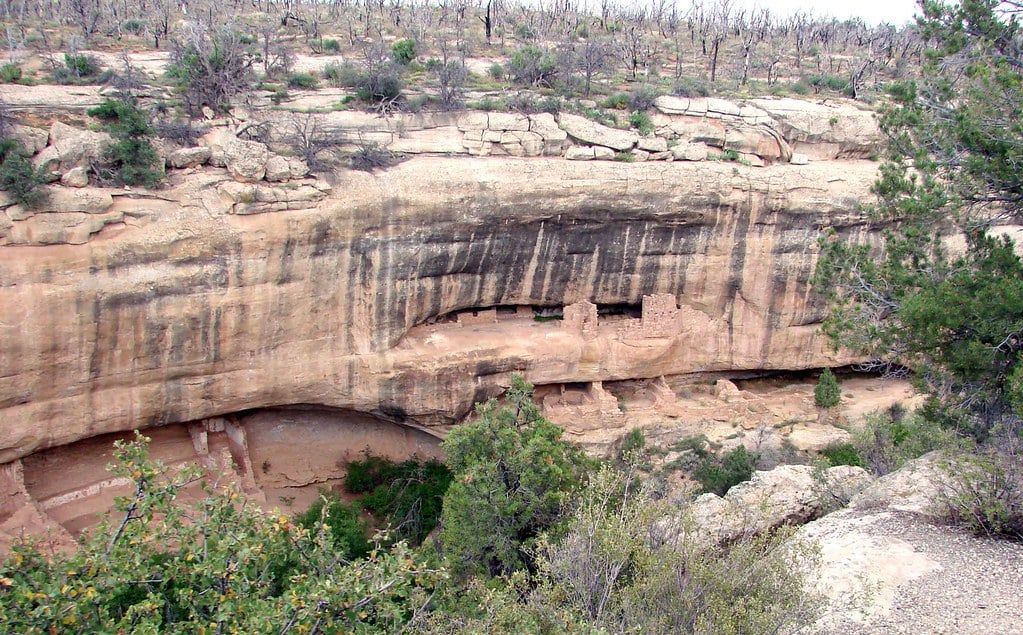
You can see Cliff Palace well without a ticket — you just can't go inside. The Cliff Palace Overlook, the first stop on the Cliff Palace Loop Road (8 am to sunset), gives the classic head-on view from the rim. The Sun Temple stop on the Mesa Top Loop gives a different angle from across the canyon, and nearby Sun Point View shows more than 30 dwellings at once, with telescopes on site for zooming in. All three are free with park entry, and most Mesa Top stops are short, level walks from parking.
The CyArk virtual tour and the park's own tour video are legitimate substitutes for the interior if you can't get a ticket — they cover rooms and details you'd see on the walk, minus the ladder.
Photographers should time around the alcove's orientation: Cliff Palace faces west, so late afternoon light warms the walls from the overlook or the Sun Temple area, while midday is flat. (Balcony House faces east and does better in the morning.) For fewer people in the frame, book the first or last tour slot of the day, aim for May or late September–October rather than June–August, and prefer weekdays. Our guide to the best time to visit Mesa Verde breaks the seasons down in detail.
What to bring, briefly:
- Water — the mesa is hot, dry, and mostly shade-free
- Sun hat and sunscreen
- Grippy closed-toe shoes for the stone steps
- Binoculars for picking out distant dwellings at Sun Point
- Cash for the fry bread stand
- Offline maps downloaded before you enter — there's no signal
Between late October and April the dwelling tours don't run at all, but the park stays open year-round and the Mesa Top Loop Road remains driveable when weather allows — so winter visitors still get overlook views of Cliff Palace, just with snow on the canyon and no way inside. As a bonus, Mesa Verde became the world's 100th International Dark Sky Park in 2021, and Wednesday-night astronomy programs run at the Morefield Amphitheater from late May to early October.
Frequently asked questions
Do you need a reservation to tour Cliff Palace?
Yes. Cliff Palace can only be entered on a ranger-led tour reserved in advance on Recreation.gov or by phone at 1-877-444-6777. Reservations open 14 days ahead at 8:00 am MDT and often sell out; the season runs early May through late October.
How much does the Cliff Palace tour cost?
$8.00 per person ages 3 and up, per the current Recreation.gov listing, paid separately from park entrance ($30 per vehicle May 1–Oct 22, $20 otherwise). Guides citing $4–$7 are out of date — verify the price when you book.
How hard is the Cliff Palace tour?
It's the easiest of Mesa Verde's in-dwelling tours: about a 1/4-mile walk, uneven stone steps, four ladders, and 100 feet of elevation change, with no tunnels or crawling. Children must climb ladders unassisted, and infants ride in backpack carriers.
Can you see Cliff Palace without a tour?
Yes. The Cliff Palace Overlook (first stop on the 6-mile Cliff Palace Loop Road, open 8 am–sunset) and the Sun Temple/Sun Point area on the Mesa Top Loop both give the classic across-canyon view, with telescopes at Sun Point. The CyArk virtual tour shows the interior.
Cliff Palace or Balcony House — which tour should I book?
First-timers: Cliff Palace — it's the largest, easiest, and most photogenic. If you're physically able and have a full day, book both about two hours apart; Balcony House's 32-foot ladder and crawl tunnel make it the more adventurous hour.
Why is it called Cliff Palace, and who discovered it?
Ranchers Richard Wetherill and Charles Mason came across it in December 1888, and the name comes from Gustaf Nordenskiöld's 1891 book "The Cliff Dwellers of Mesa Verde." Indigenous peoples knew the site long before, and it was never a palace — an ordinary village that happened to be the biggest, home to about 100 people.
What happened to the people who lived at Cliff Palace?
Ancestral Pueblo people built and occupied it roughly 1190–1280 CE, then left the whole region by about 1300; prolonged drought is the leading explanation. Their descendants live in the modern Pueblo communities of the Southwest, which maintain a cultural connection to the park.