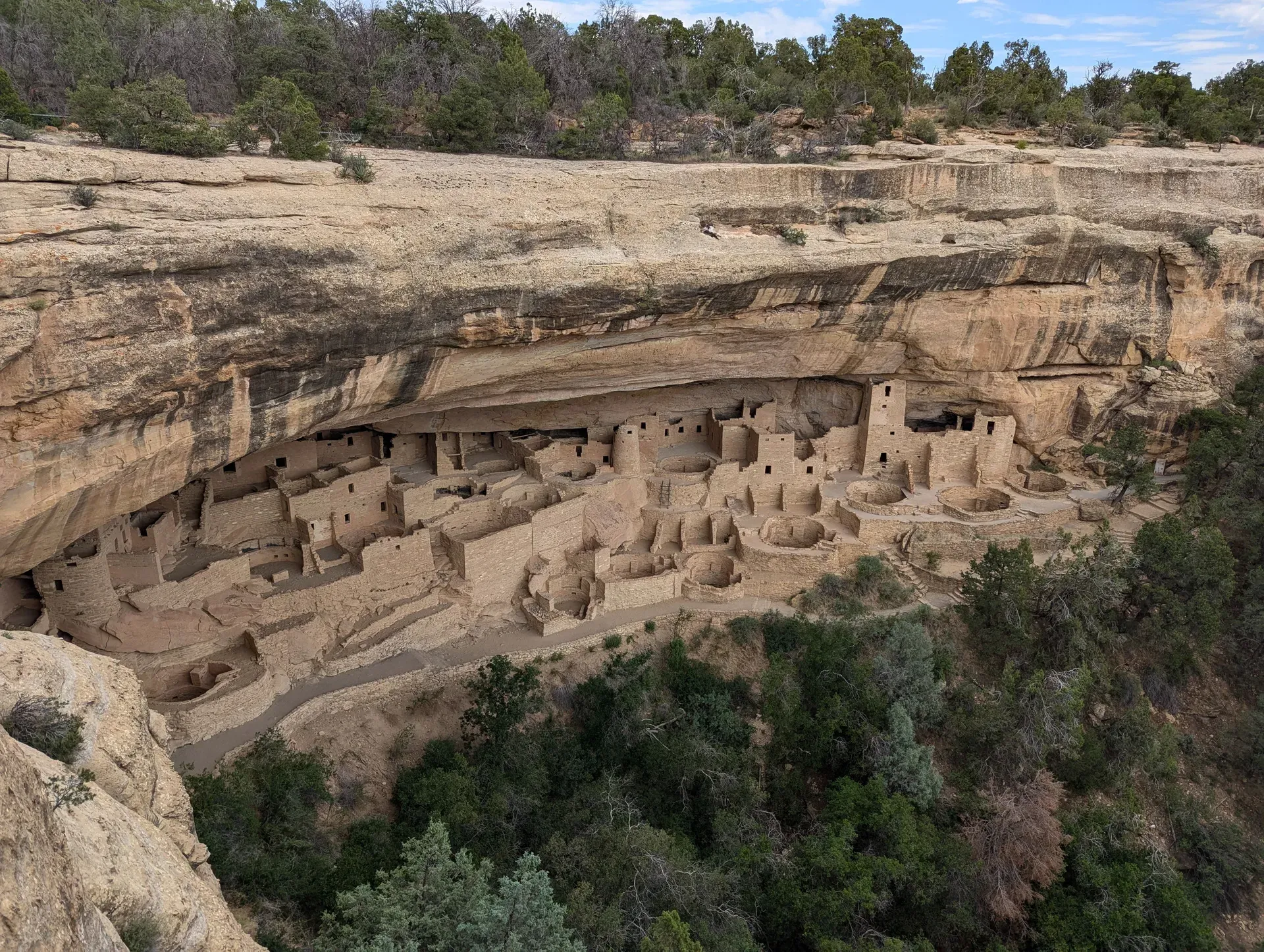
Mesa Verde National Park occupies 52,485 acres of the Colorado Plateau in southwestern Colorado. The park preserves over 5,000 Ancestral Puebloan archaeological sites, including 600 stone cliff dwellings built into sandstone alcoves.
Mesa Verde National Park sits in southwestern Colorado near the Four Corners region. It protects over 5,000 archaeological sites left by the Ancestral Pueblo people. About 600 of these are cliff dwellings. These multi-story stone villages sit inside natural sandstone alcoves above steep canyons. The park covers 52,485 acres of the semi-arid Colorado Plateau. Elevations range from 6,000 feet in the canyon bottoms near the southern boundary to 8,572 feet at Park Point.
Visitors drive 21 winding miles from the Highway 160 entrance just to reach the first major overlooks on Chapin Mesa. From there, you look across deep canyons to see stone walls tucked into the cliff faces. You can view many sites from paved overlooks on the 6-mile Mesa Top Loop Road. This self-guided drive traces 700 years of architectural evolution. You stop at pit-house ruins, Sun Point View, and the Square Tower House overlook.
Getting inside the dwellings requires a ticket. Ranger-led tours take you down stone stairs and up wooden ladders into sites like Cliff Palace and Balcony House. These routes are strenuous. At Balcony House, you climb a 32-foot ladder and crawl through a 12-foot stone tunnel. Skip this if you have a fear of heights or enclosed spaces. Wetherill Mesa provides a quieter alternative on the western side of the park. It opens seasonally from late May to late October. Here, you can hike the 1-mile round-trip trail to Step House. This is the only cliff dwelling in the park that allows self-guided entry without a reservation.
The park operates year-round, but winter shuts down Wetherill Mesa, the Morefield Campground, and all cliff dwelling tours. Book a trip in May, September, or October. You'll get full access to the ruins and temperatures in the 70s, avoiding the heavy summer crowds and afternoon thunderstorms. The entrance fee is $30 per vehicle in the summer and $20 in the winter. It's entirely cashless. You pay at the gate with a credit card or contactless device.
Ancestral Pueblo people moved onto the mesas of southwestern Colorado around 550 CE. They started by building pit-houses on the mesa tops. These early homes were dug into the ground and covered with wooden beam roofs. Over the next six centuries, their architectural skills advanced. They moved above ground, constructing multi-story stone towers, complex farming terraces, and check dams to capture scarce rainwater. The Ancestral Puebloans also domesticated turkeys, keeping them in the alcoves for feathers and food.
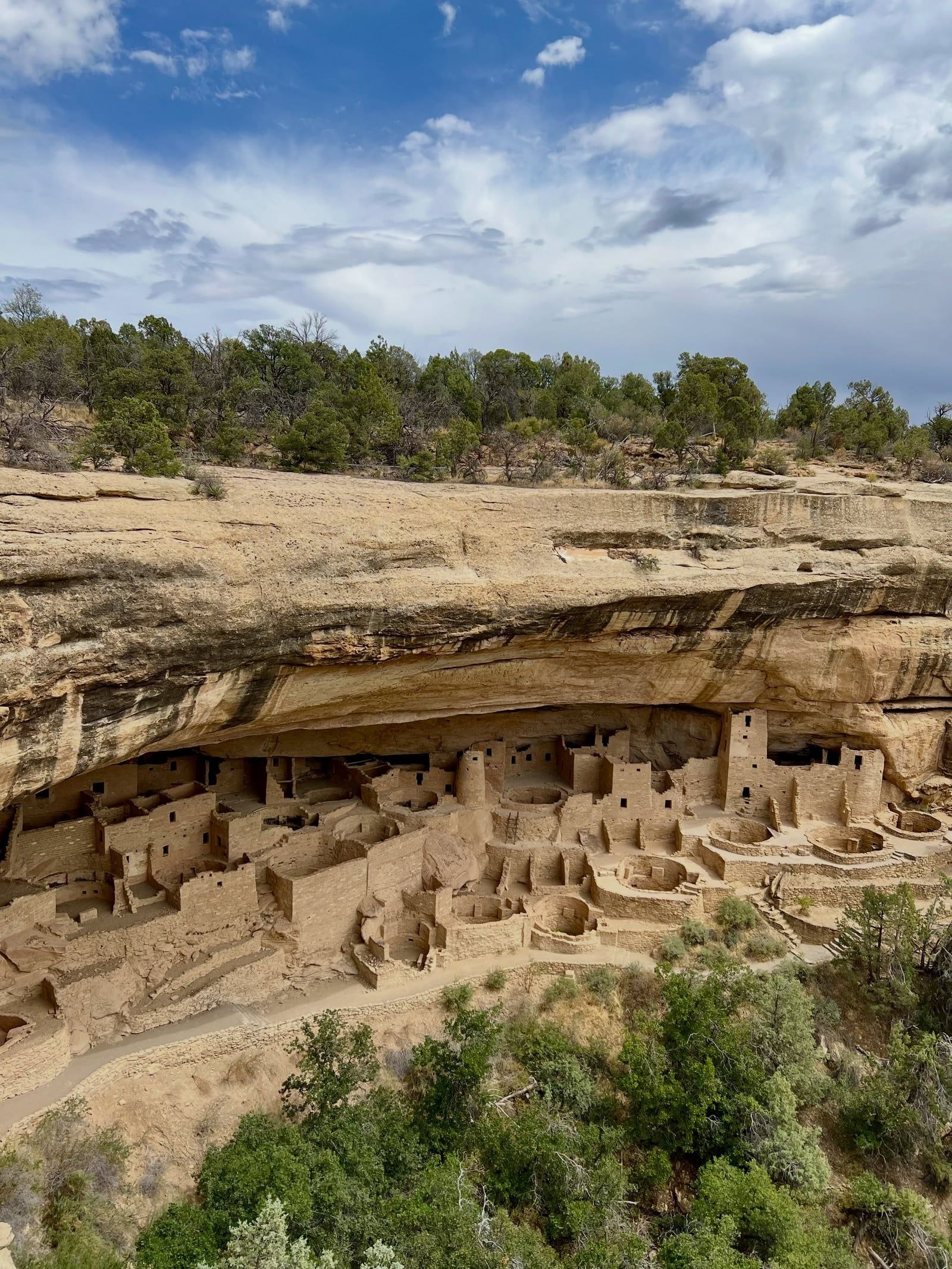
The shift to the cliffs happened late. Between 1190 and 1280 CE, the population moved off the mesa tops and built elaborate stone villages inside natural sandstone alcoves. Cliff Palace, the largest dwelling in North America, housed about 100 people in 150 rooms and 23 kivas. They shaped sandstone blocks, mixed mud mortar, and cut wooden beams to construct walls up to three stories high. Spruce Tree House, the third-largest site, contains 130 rooms and eight kivas built into a 216-foot-wide alcove.
This cliff-dwelling era lasted barely a century. By 1300 CE, the Ancestral Puebloans abandoned Mesa Verde entirely. Prolonged droughts, resource depletion, and social pressures drove them south into present-day New Mexico and Arizona. The stone villages sat empty in the dry desert air.
Local ranchers Richard Wetherill and Charlie Mason reported the cliff dwellings to outsiders in 1888. They stumbled upon Cliff Palace while tracking stray cattle in the snow. Artifact hunters soon arrived, removing pottery and tools, and dismantling ancient walls. Swedish researcher Gustaf Nordenskiöld conducted the first scientific excavations in 1891, but he also shipped hundreds of artifacts back to Europe.
Congress and President Theodore Roosevelt established Mesa Verde National Park in 1906 to stop the looting. This was the first US national park created specifically to protect archaeological sites rather than natural scenery. The legislation passed alongside the Antiquities Act, which gave the government power to protect cultural resources on federal land.
In the 1930s, the Civilian Conservation Corps built much of the park's modern infrastructure. They paved the Ruins Road, constructed the Chapin Mesa museum, and stabilized several cliff dwellings. UNESCO designated Mesa Verde a World Heritage Site in 1978. It is the best-preserved Ancestral Pueblo landscape in North America. Today, the park faces modern environmental threats. Rockfall has closed Spruce Tree House indefinitely for safety reasons. Check the official site for current closures before you plan a trip around a specific ruin.
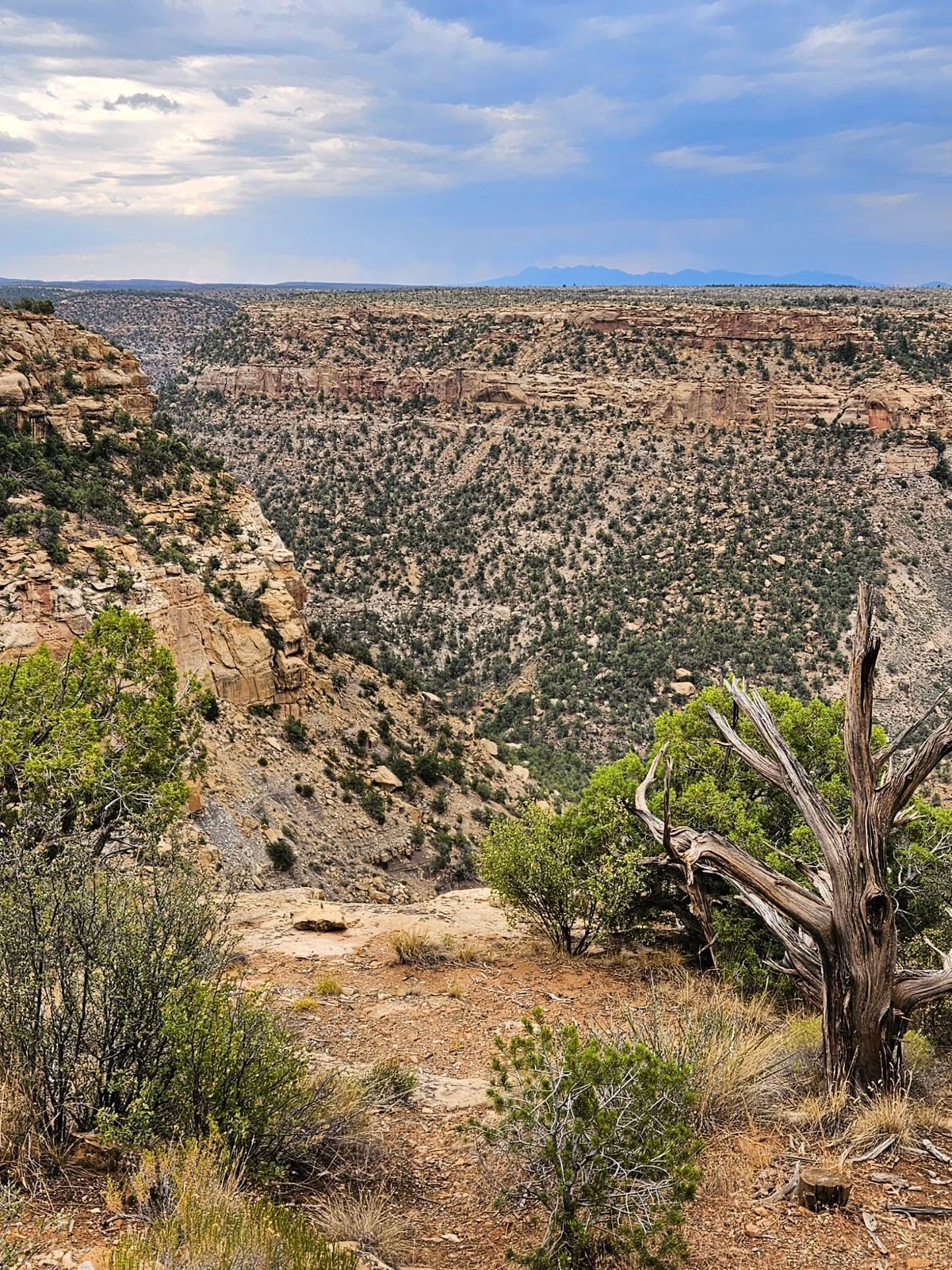
Mesa Verde translates to "green table" in Spanish, but geologically it is a cuesta, not a true mesa. The land tilts about seven degrees to the south. Over millions of years, wind and water eroded the sedimentary rock into a series of deep canyons and narrow ridges. This topography dictates how you move through the park. The roads follow the ridge lines, and the archaeological sites sit in the canyon walls below.
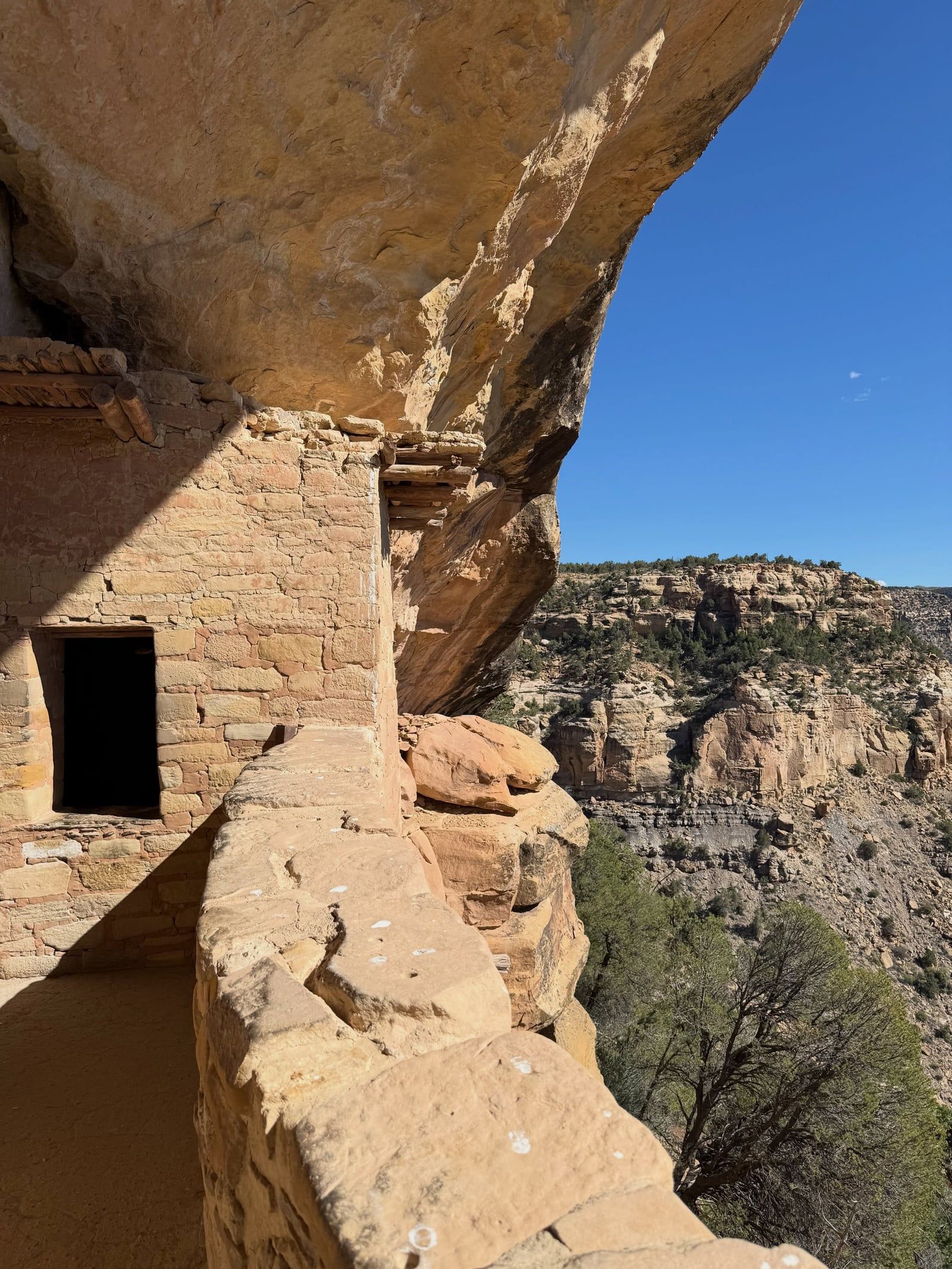
The cliff dwellings exist because of the specific geology of the Cliff House Sandstone layer. Water seeps down through the porous sandstone until it hits a layer of impermeable shale. It then moves sideways, freezing and thawing at the cliff face to carve out deep, arched caves. These natural shelters provided the Ancestral Puebloans with protection from rain, snow, and extreme temperatures.
The builders used local materials for every structure. They shaped sandstone blocks with harder river cobbles and cemented them with a mortar of dirt, ash, and water. Roofs required heavy timber. They cut juniper and pinyon pine logs, laying them across the walls to support the floors above. Spruce Tree House still retains 90 percent of its original materials, including 700-year-old wooden roofs and plaster-covered walls. You can see the original handprints of the builders pressed into the mud plaster at several sites.
The mesa tops support a dense pinyon-juniper woodland. This semi-arid ecosystem receives about 18 inches of precipitation a year. The Ancestral Puebloans cleared large sections of this forest to plant corn and beans. They built check dams across narrow drainages to slow runoff and capture soil for farming terraces. You can walk the 0.5-mile Farming Terrace Trail to see the remains of these ancient agricultural systems. The park is home to over a thousand species of plants and animals. You might spot a golden eagle circling above the canyon rims.
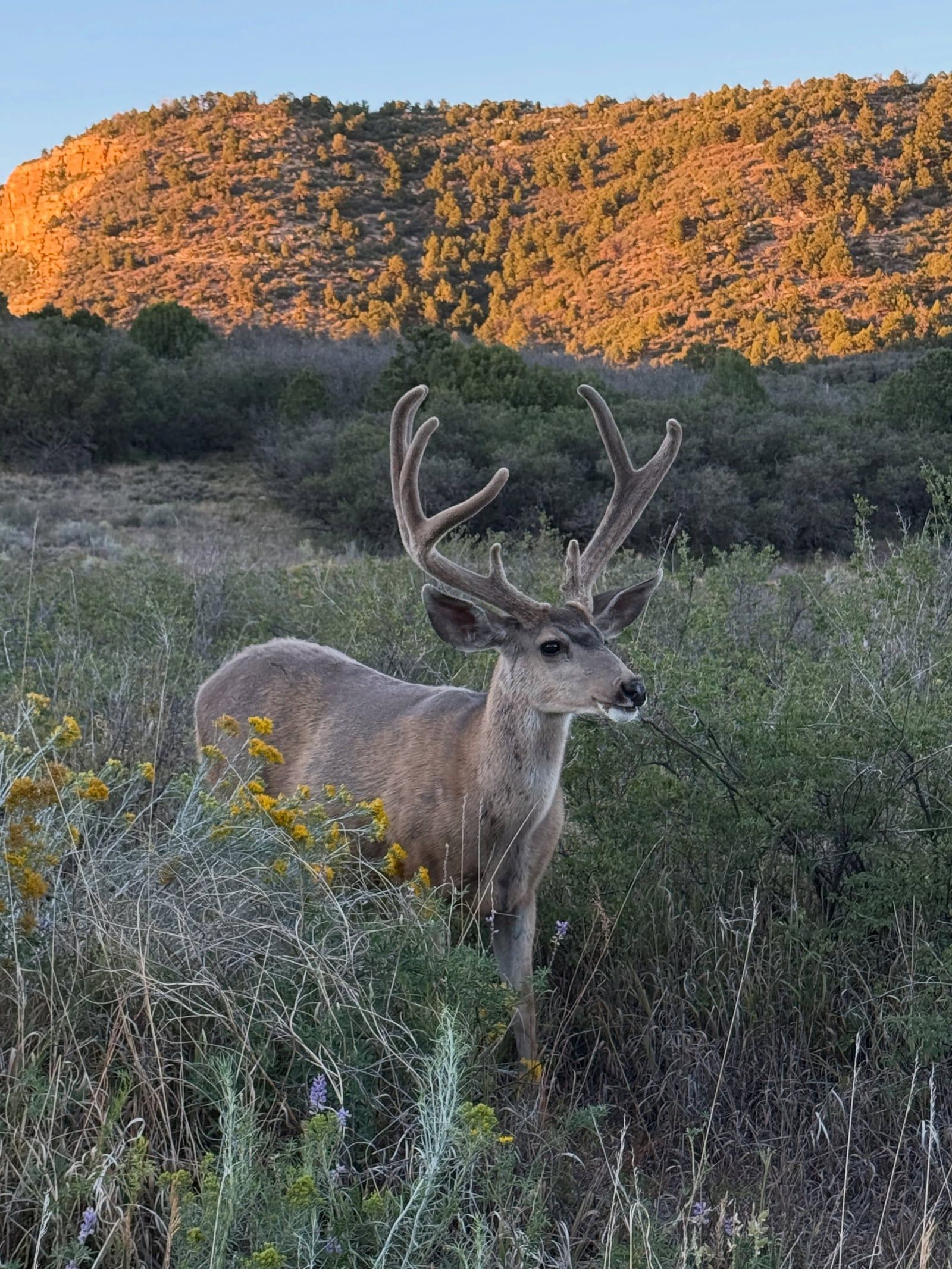
The park also holds International Dark Sky status. At 8,000 feet, the thin air and distance from city lights create excellent stargazing conditions. Summer visitors at the Morefield Campground amphitheater can see the Milky Way clearly. Bring a red-light flashlight to walk the paths without ruining your night vision. Wildlife is abundant in the early mornings and late evenings. Mule deer, coyotes, and wild turkeys frequently cross the park roads. Drive slowly, especially on the winding 21-mile stretch between the entrance gate and Chapin Mesa.
Mesa Verde is not an abandoned civilization. The Ancestral Puebloans migrated south, and their descendants live today in 21 distinct Pueblo communities across New Mexico, Arizona, and Texas. These include the Hopi, Zuni, Acoma, and Laguna peoples. The migration was a planned movement, recorded in the oral histories of these modern tribes. The Hopi refer to their ancestors as Hisatsinom, meaning "people of long ago." Their oral traditions map directly to the archaeological record at Mesa Verde.
The sites at Mesa Verde remain sacred to these communities. The kivas—circular, subterranean rooms found throughout the cliff dwellings—were used for religious ceremonies and community gatherings. Many modern Pueblos still use kivas for similar purposes. The architecture reflects a specific worldview. Small holes in the kiva floors, called sipapus, represent the portal through which humans emerged from the underworld. The layout of the villages, with their plazas and interconnected rooms, mirrors the social structure of the clans that built them.
For decades, early archaeologists excavated these sites without consulting Native communities. That approach has changed. The National Park Service now works directly with associated tribes to manage the ruins and interpret the history. The Native American Graves Protection and Repatriation Act required the park to return human remains and sacred objects to the tribes for proper reburial. Oral histories from Pueblo elders now inform the ranger programs and museum exhibits. They help explain the complex geometric designs on the black-on-white pottery and the meanings behind the rock art.
You can see this rock art on the Petroglyph Point Trail. This strenuous 2.4-mile loop winds along a canyon wall beneath sandstone overhangs to a large panel of ancient carvings. The petroglyphs depict human figures, animal tracks, and clan symbols. Don't touch the walls, the rock art, or lean on the structures anywhere in the park. The oils from human skin degrade the ancient mortar and stone. Federal antiquities laws carry heavy fines for damage. Stay on the marked trails and respect the closures.
Flying a drone anywhere inside Mesa Verde is a federal offense. The park enforces a strict ban under 36 CFR 2.17(a)(3).
Entering Balcony House requires climbing a 32-foot wooden ladder. You then have to crawl through a 12-foot stone tunnel on your hands and knees.
The park does not accept cash for entrance fees. You must pay the $30 summer vehicle fee with a credit card or contactless payment.
Park Point reaches 8,572 feet above sea level. The thin air can cause shortness of breath for visitors unaccustomed to the elevation.
Ranger-led tour tickets open exactly 14 days in advance at 8:00 am MDT on recreation.gov. Popular tours sell out within minutes.
Step House on Wetherill Mesa is the only cliff dwelling you can enter without a reservation. A steep 1-mile round-trip trail gets you there.
The entrance gate is right off Highway 160, but the ruins are not. It takes about 45 minutes of driving on winding roads to reach the first cliff dwelling overlooks.
No, you do not need a reservation to drive into the park. The entrance is open daily year-round. However, you must book a ticket through recreation.gov to take a ranger-led tour into the cliff dwellings.
A 7-day private vehicle pass costs $30 from May 1 to October 22, and drops to $20 in the winter. Individual entry for pedestrians or cyclists is $15. The park is totally cashless, so bring a credit or debit card.
You can view many dwellings from paved overlooks along the Mesa Top Loop Road. Getting inside structures like Cliff Palace or Balcony House requires a ranger-led tour. Step House on Wetherill Mesa is the only cliff dwelling open for self-guided entry.
They are physically demanding. The Balcony House tour involves climbing a 32-foot ladder and crawling through a narrow tunnel. Cliff Palace requires climbing steep stone steps and shorter ladders at an elevation of 7,000 feet.
May, September, and October are the optimal months. Temperatures hover in the 70s, and the ranger-led tours are fully operational. Summer brings heavy crowds and frequent afternoon thunderstorms.
The park remains open year-round, but services drop significantly from December through February. Wetherill Mesa closes entirely to vehicles, and all cliff dwelling tours stop. You can still drive the Mesa Top Loop Road to see the ruins from a distance.
Leashed pets can walk in parking lots and along paved roads. They are banned inside all government buildings and on most trails. You can't bring a dog on the cliff dwelling tours or the Petroglyph Point Trail.
The park entrance is 35 miles west of Durango on US Highway 160. The drive takes about 45 minutes. Once inside the gate, expect another 45-minute drive up the steep Ruins Road to reach the archaeological sites.
The population abandoned the region around 1300 CE after living there for 700 years. A mix of prolonged droughts, depleted natural resources, and social pressures forced the migration. They moved south into what is now New Mexico and Arizona.
No. Drones are strictly prohibited everywhere inside the park boundaries. The National Park Service enforces this under federal law, and there are no exceptions for recreational flying.
Browse verified tours with free cancellation and instant confirmation.
Find Tours